
Tips to Avoid Rejection in China Visa Stamping
Discover essential tips for smooth China visa stamping and learn how to avoid rejection. Ensure your application is successful with our expert advice on visa stamping procedures.
11/24/20257 min read
Understanding the Visa Application Process
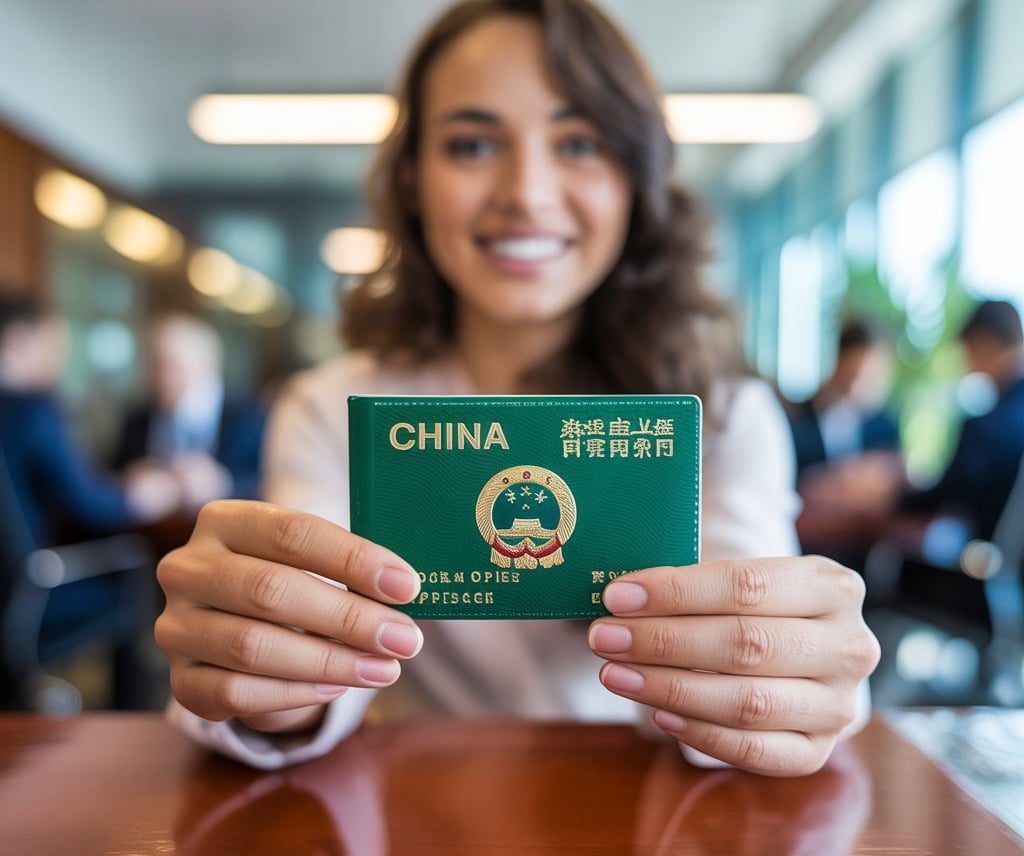
The China visa application process is essential for foreign nationals intending to enter the country for various purposes such as tourism, business, or study. It begins with gathering the necessary documentation, which is crucial for a successful application. Applicants are typically required to provide a completed visa application form, valid passport, photographs, invitation letters (if applicable), and relevant financial documentation. Each type of visa, including the tourist (L), business (M), and student (X) visas, has specific requirements that must be adhered to in order to avoid complications.
Once all required documents are assembled, the next step involves submitting the application to the nearest Chinese embassy or consulate. This on-site procedure often includes providing biometric data, which is a standard practice aimed at enhancing security measures. It is worth noting that visa applications can also be submitted through authorized visa service agencies that assist in facilitating the process. Regardless of the chosen submission method, understanding local procedures is vital, as regulations may vary from one consulate to another.
After submission, the processing time can differ based on the type of visa and the current volume of applications at the consulate. It typically ranges from four to ten business days. Therefore, it is advisable to apply well in advance of planned travel to account for any delays. Additionally, one must pay attention to any updates regarding local rules or changes to visa policies, as these could impact the overall application process. Following these structured steps increases the likelihood of smoother visa stamping, enabling travelers to focus on their upcoming journey to China.
Common Reasons for Visa Rejection
Obtaining a visa can be a complex process, and applicants often face rejection due to various common pitfalls. Understanding these reasons is crucial for those seeking a China visa, as it can help mitigate the risk of denial.
One of the primary reasons for application rejection is the submission of incomplete forms. Visa applications typically require detailed information about the applicant’s personal background, travel itinerary, and financial status. Failing to fill out all necessary sections or providing vague details can lead to immediate disqualification. It is essential to carefully review the application form to ensure that every part is fully completed and accurate.
In addition to incomplete forms, the absence of supporting documentation is another frequent issue. Each visa category has specific requirements regarding the supplementary documents needed, such as financial statements, employment letters, and travel bookings. Neglecting to include any of these can raise red flags for the visa authorities. Therefore, applicants should prepare a checklist of all required documentation before submission to avoid any omissions.
Discrepancies in the provided information can also cause significant delays or outright rejection. If the applicant’s details, such as name, date of birth, or passport number, do not match across different documents or the application form itself, it can lead to questions about the application’s credibility. Therefore, it is imperative to double-check all entries for consistency.
Moreover, other common mistakes—such as submitting outdated forms, failing to pay the visa fee, and misreading the requirements specific to the type of visa being applied for—can further complicate the process. Understanding these typical pitfalls will aid applicants in successfully navigating the complex landscape of visa applications.
Preparing Your Documents: What You Need
When applying for a China visa, meticulous preparation of your documents is crucial to ensure a smooth and successful visa stamping process. Ensuring all required documentation is accurate and complete helps to minimize the risk of delays or outright rejection.
Firstly, a valid passport is essential. It should be recent, with at least six months of validity remaining and contain at least two blank pages. Along with your passport, you will need a completed visa application form, which can usually be obtained from the Chinese embassy or consulate's website.
Additionally, you will need to provide a recent passport-sized photo that meets the specific size and quality requirements set by the embassy. This image must be clear and professionally taken against a plain background. Another vital document is the invitation letter if applicable—a formal invitation from a host in China or a travel agency is often necessary, particularly for business or family visit visas.
Proof of financial means is also a requirement, which can generally be demonstrated through bank statements from the past three to six months. This documentation should illustrate sufficient funds to cover your stay in China. Furthermore, including a travel itinerary detailing your planned activities and accommodations while in China enhances your application by providing context for your travel purpose.
To prevent any misunderstandings or errors, it is wise to double-check all documentation for accuracy and completeness. Organizing your documents in a logical order and making copies of all originals will also be beneficial during the visa stamping process. Taking these preparation steps can significantly increase your chances of a successful China visa application.
Tips for a Successful Interview
When preparing for a visa interview, particularly for a China visa, it is essential to understand that this process is a critical component of your application. The interview is an opportunity for the consular officer to assess your intentions for visiting China and to verify the information you provided in your application. To increase your chances of success, it is important to approach the interview with a clear strategy.
Firstly, familiarize yourself with the common questions you may be asked during the visa interview. Questions may range from the purpose of your visit to your travel itinerary, financial situation, and ties to your home country. Anticipating these inquiries allows you to formulate clear and concise responses that demonstrate your understanding and preparedness for your trip. Moreover, practice answering these questions with a friend or family member to build confidence.
Your demeanor is equally important. Presenting yourself with a calm and composed attitude can greatly influence the interviewer's perception. Maintain eye contact, offer a firm handshake, and exhibit positive body language to convey confidence. Additionally, ensure your tone is respectful and professional throughout the conversation. These non-verbal cues can make a significant difference in how you are perceived during the interview.
In terms of attire, it is advisable to dress appropriately for the visa interview. Opt for smart casual wear or professional attire to project an image of seriousness and respect towards the process. This choice not only supports a positive impression but also reflects your appreciation of the importance of the occasion. Remember that first impressions matter in an interview setting.
By preparing thoroughly, maintaining composure, and presenting yourself appropriately, you enhance your chances of a successful visa interview, leading to smoother China visa stamping.
Post-Application: What to Expect
After submitting your application for a China visa, understanding the timeline and outcomes of the process is essential. Typically, applicants can expect to wait approximately four to five business days for standard visa processing. However, during peak seasons or in the event of increased applications, this timeframe may extend. Consequently, it is prudent to submit your application well in advance of your intended travel dates.
While waiting, applicants can track the status of their visa application through the consulate or visa application center where they submitted their documents. Most centers provide a tracking number, allowing candidates to obtain real-time updates about their application. This feature alleviates anxiety and uncertainty about the visa approval process.
In instances where delays occur, it is advisable to contact the relevant authority promptly. Common causes for delays may include missing documentation or the need for additional checks. In such cases, understanding the reasons for the delay can help in taking immediate corrective actions, ensuring timely visa processing. If your application is denied, it is crucial to note that you will receive an explanation for the rejection, often outlining the specific reasons why the visa was not granted.
For those who face a denial, appealing the decision is often an option. Each visa application denial comes with instructions on how to proceed with an appeal, and timelines should be adhered to for a successful motion. Alternatively, reapplying for the visa may be a more straightforward path if the initial application can be revised according to the guidelines provided in the rejection notice. Whether appealing or reapplying, being informed about your options enhances your chances of obtaining a favorable outcome for your China visa application.
Dealing with Difficult Situations
When navigating the intricacies of the China visa application process, applicants may encounter unexpected difficulties that could potentially lead to setbacks or rejections. It is imperative to remain composed and proactive when faced with such challenges. Miscommunication with visa offices, lost documents, or unexpected delays are common issues that can arise. Understanding how to effectively manage these situations can be the key to a successful visa stamping experience.
Firstly, miscommunication is a frequent hurdle when dealing with official institutions. If you find yourself facing unclear information or conflicting instructions from the visa office, take a step back to reassess your understanding. Document all communications and make follow-up inquiries to clarify any points of confusion. Being polite and respectful in your correspondence is crucial, as it fosters a professional atmosphere and may encourage a more willing response from officials.
In cases where vital documents are lost or missing, immediate action is essential. Act quickly to determine what specific documentation is required and reach out to the appropriate authorities for guidance on reissuance. Maintaining copies of all submitted documents is advisable as they could facilitate the retrieval process. Additionally, keep digital backups to ensure you have access to important information even if physical copies are misplaced.
Delays are another common issue that applicants must navigate. In such instances, it is important to remain patient and follow up with the visa office after an appropriate duration. Inquire about the status of your application and any possible reasons for the delay. This not only keeps you informed but also demonstrates your commitment to the process. Remember to express gratitude for the officials’ assistance, as positive interactions can often lead to favorable outcomes.
Overall, maintaining calmness and a proactive attitude while dealing with these difficulties can significantly enhance your chances of successfully navigating the China visa stamping process.
Final Thoughts and Additional Resources
Obtaining a visa for China can be a daunting and intricate process. However, the importance of thorough preparation and a solid understanding of the requirements cannot be overstated. A significant number of applications face rejection due to insufficient documentation, misunderstanding of policies, or failure to follow the guidelines set forth by Chinese authorities. By taking the time to familiarize oneself with the visa application process and its requirements, individuals can minimize the risk of rejection and streamline their experiences.
Comprehensive knowledge about the China visa types, necessary documents, and current regulations will prove invaluable. To ensure successful visa stamping, applicants should routinely check the official websites or relevant consular offices for any updates or changes in procedures. These resources provide vital information regarding consular practices and any temporary measures that might affect visa processing times.
For those interested in delving deeper into the topic, numerous books and online articles are available that cover the intricacies of international travel visas. Websites such as those managed by the Ministry of Foreign Affairs of the People’s Republic of China offer official guidelines and procedural insights. Moreover, there are reputable visa assistance services that specialize in providing tailored support for applicants. These organizations can guide individuals through the application process, help prepare necessary documents, and offer strategic advice based on the latest visa news.
In summary, avoiding rejection during the China visa stamping process hinges upon diligent preparation and leveraging the wealth of information available. By utilizing various resources and seeking professional guidance, applicants can enhance their chances of acquiring a visa smoothly and efficiently, thereby setting the stage for a successful journey to China.